Building A Microbiome-Friendly Skincare Routine

September 6, 2024

Skincare interventions that reduce bad bacteria and restore friendly bacteria are paramount for preventing conditions like acne and eczema. Therefore, creating a microbiome-friendly skincare routine focuses on supporting the beneficial bacteria on your skin, which play a vital role in maintaining a healthy skin barrier, and reducing inflammation. Here’s how you can build such a routine:

1. Gentle Cleansing

Use a mild, sulfate-free cleanser: Harsh cleansers can strip your skin of its natural oils and disturb the microbiome. Look for products labeled as pH-balanced and non-stripping.


Avoid over-cleansing: Washing your face twice a day is usually sufficient. Over-cleansing can disrupt the skin's natural microbiome.


2. Moisturize with Prebiotics and Probiotics

Prebiotic moisturizers: These contain ingredients like inulin or oat extract that feed the good bacteria on your skin.

Studies have shown that a 2% colloidal oatmeal gel cream can ease eczema when applied twice daily and increase the presence of staphylococcus epidermidis (a “good” bacteria associated with healthy skin).


Probiotic-infused products: These introduce beneficial bacteria to the skin. Look for products containing ingredients like lactobacillus or bifidobacterium.


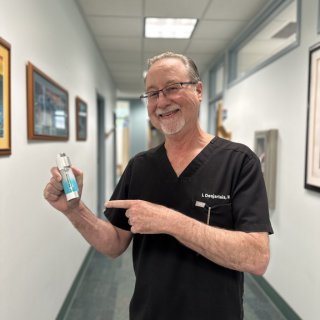
We also recommend restoring your skin’s health with Avene’s postbiotic skincare products. Their Thermal Spring Water and the Tolerance Control line contain bacterial-derived ingredients to support skin health.


3. Exfoliate Gently

Avoid harsh exfoliants: Opt for gentle exfoliators that won’t disrupt the skin’s microbiome. Enzyme exfoliants or low-concentration alpha-hydroxy acids (AHAs) can be good options.


Limit exfoliation: Once a week is usually enough.


4. Sun Protection

Use mineral sunscreens: Chemical sunscreens can sometimes irritate the skin and disrupt the microbiome. Zinc oxide or titanium dioxide sunscreens are generally more microbiome-friendly.


5. Avoid Antibacterial Products

Skip the antibacterial soaps and cleansers: These can kill both harmful and beneficial bacteria, disrupting your skin’s microbiome balance. Maintaining the diversity of protective bacteria is important as it can affect inflammatory responses in acne.


6. Hydrate and Nourish

Hydrating serums: Look for serums with hyaluronic acid and ceramides to keep your skin barrier healthy.

Omega-rich oils: Oils like jojoba, squalane, or rosehip can nourish the skin without disrupting the microbiome.


7. Watch Your Diet

Eat a balanced diet: What you eat can impact your skin's microbiome. A diet rich in fruits, vegetables, and fermented foods can promote a healthy skin barrier.


8. Patch Test New Products

Test new products: Before applying a new product all over your face, do a patch test to ensure it doesn’t disrupt your skin’s balance.


9. Consult a Dermatologist

Professional advice: If you have specific skin concerns, a dermatologist can recommend products tailored to your needs, ensuring they support your skin’s microbiome.

Share this article with friends!

By Kari Brogan August 24, 2026
Polycystic ovary syndrome (PCOS) affects more than reproductive health—it can also have a significant impact on your skin and hair. Because many PCOS symptoms are driven by elevated androgen levels or insulin resistance, dermatologists can play an important role in helping manage the visible effects of the condition.
By Kari Brogan August 12, 2026
If you’re noticing sun spots, uneven pigmentation, fine lines, wrinkles, or skin laxity , you may be wondering which aesthetic treatment is right for your skin. At Desjarlais Dermatology & Aesthetic Center in Adrian, Michigan , we offer a wide range of advanced laser, light, and radiofrequency technologies designed to address pigmentation, skin texture, collagen production, and skin tightening. Because every patient’s skin is different, the best treatment depends on your specific concerns, skin type, treatment goals, and desired downtime.
By Kari Brogan August 12, 2026
Your skin is your body's largest organ, and changes in your skin can sometimes be more than a cosmetic concern. Persistent rashes, changing moles, acne, eczema, psoriasis, warts, rosacea, hair loss, and suspicious skin growths are all reasons to consider seeing a dermatologist. At Desjarlais Dermatology in Adrian, Michigan , our dermatology team provides evaluation, diagnosis, and treatment for a wide range of skin, hair, and nail conditions for adults and children.
By Kari Brogan August 3, 2026
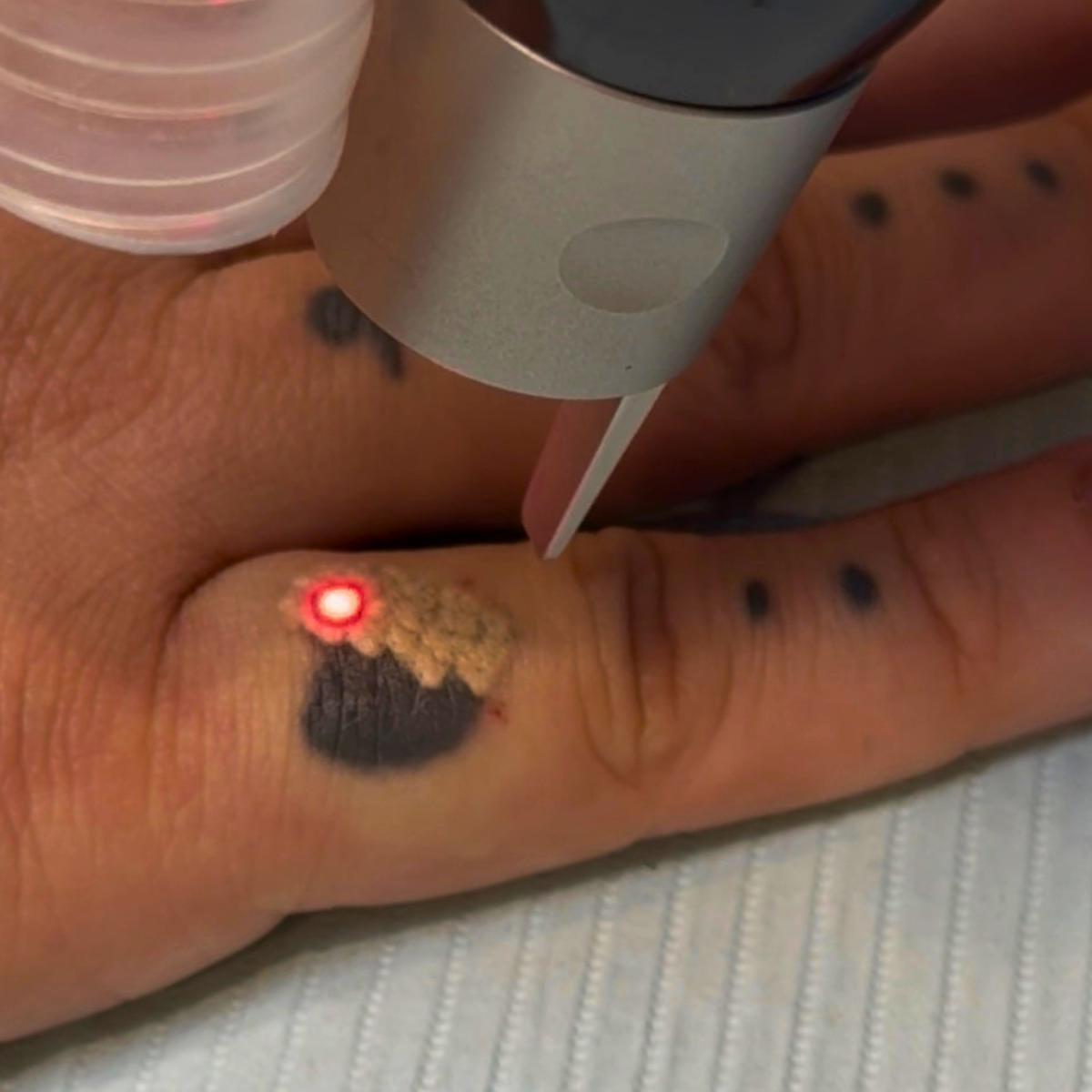
Every tattoo tells a story—but sometimes that story changes. Whether your tattoo no longer reflects who you are, reminds you of a chapter you've outgrown, or you're simply making room for new artwork, National Tattoo Removal Day is the perfect opportunity to learn more about your options. Thanks to advances in laser technology, tattoo removal is safer and more effective than ever. If you've been considering removing or fading a tattoo, here's what you should know before getting started.
By Kari Brogan July 1, 2026
If you've spent any time on social media lately, you've probably seen influencers praising beef tallow as the ultimate natural skincare ingredient. From homemade moisturizers to claims that it can replace an entire skincare routine, beef tallow has become one of the latest viral beauty trends. But is it really the miracle ingredient it's made out to be? Let's separate fact from fiction. 
By Kari Brogan June 2, 2026
There’s something about summer that makes everyone want the same thing: clear, event glowing skin – without makeup. Less coverage. Less layering. Less time getting ready. But for many people, foundation has become a daily necessity to cover redness, breakouts, pigmentation, or uneven texture. Here’s the truth: you shouldn’t have to rely on makeup to feel confident in your skin.  The goal isn’t better foundation – its’ better skin.
By Kari Brogan April 30, 2026
One of the most common things we hear this time of year is: “I thought I had to wait until fall for laser treatments.” The truth? You don’t have to put your skin goals on hold just because the sun is out. While summer does require a more strategic approach, many cosmetic laser treatments can still be performed safely—and effectively—when done correctly and with the right guidance.
By Kari Brogan April 2, 2026
If there’s one category redefining modern aesthetics, it’s energy-based devices—specifically laser and radiofrequency (RF) treatments. Once considered advanced or niche, these technologies have quickly become some of the most in-demand services in dermatology and medspa settings. Why? Because today’s patients want results that are noticeable, natural, and require little to no downtime—especially as they head into summer events, weddings, vacations, and time in the sun. The new standard isn’t surgery. It’s strategic, non-invasive skin transformation.
By Kari Brogan February 27, 2026
In 2026 , serum formulas are all the buzz — dermatologists are recommending products that blend science-backed actives , barrier support, and multifunctional results. Gone are the days of layering 10+ products; the focus now is on smart, effective serums you’ll actually see results from. Below are the top 5 serums trending this year , what makes them stand out, and why skin pros are excited about them.
By Kari Brogan February 2, 2026
Melasma is a chronic pigmentation condition that causes symmetrical patches of brown or gray-brown discoloration, most commonly on the cheeks, forehead, upper lip, and jawline. While many people associate melasma flare-ups with summer sun exposure, winter is a critical — and often overlooked — season for managing it effectively.  In fact, winter can be one of the best times to get melasma under control when approached correctly.