When Should You See a Dermatologist? Common Skin Conditions Desjarlais Dermatology Treats
Your skin is your body's largest organ, and changes in your skin can sometimes be more than a cosmetic concern. Persistent rashes, changing moles, acne, eczema, psoriasis, warts, rosacea, hair loss, and suspicious skin growths are all reasons to consider seeing a dermatologist.
At Desjarlais Dermatology in Adrian, Michigan, our dermatology team provides evaluation, diagnosis, and treatment for a wide range of skin, hair, and nail conditions for adults and children.
What Does a Dermatologist Treat?
Dermatologists diagnose and treat conditions affecting the skin, hair, and nails. At Desjarlais Dermatology, common medical dermatology concerns include:
- Acne
- Eczema
- Psoriasis
- Rosacea
- Warts
- Rashes
- Skin infections
- Moles and other skin growths
- Skin cancer
- Hair loss and scalp conditions
- Nail disorders
- Pediatric dermatologic conditions
- Sun-related skin damage
Early evaluation can be especially important when you notice a new, changing, or unusual spot on your skin.
When Should I See a Dermatologist for a Rash?
You should consider seeing a dermatologist if a rash is persistent, recurring, spreading, painful, severely itchy, or not responding to over-the-counter treatments.
A rash can have many causes, including eczema, psoriasis, allergic reactions, infections, medications, and other skin conditions. Identifying the underlying cause is important because treatment depends on the diagnosis.
When Should I See a Dermatologist for Acne?
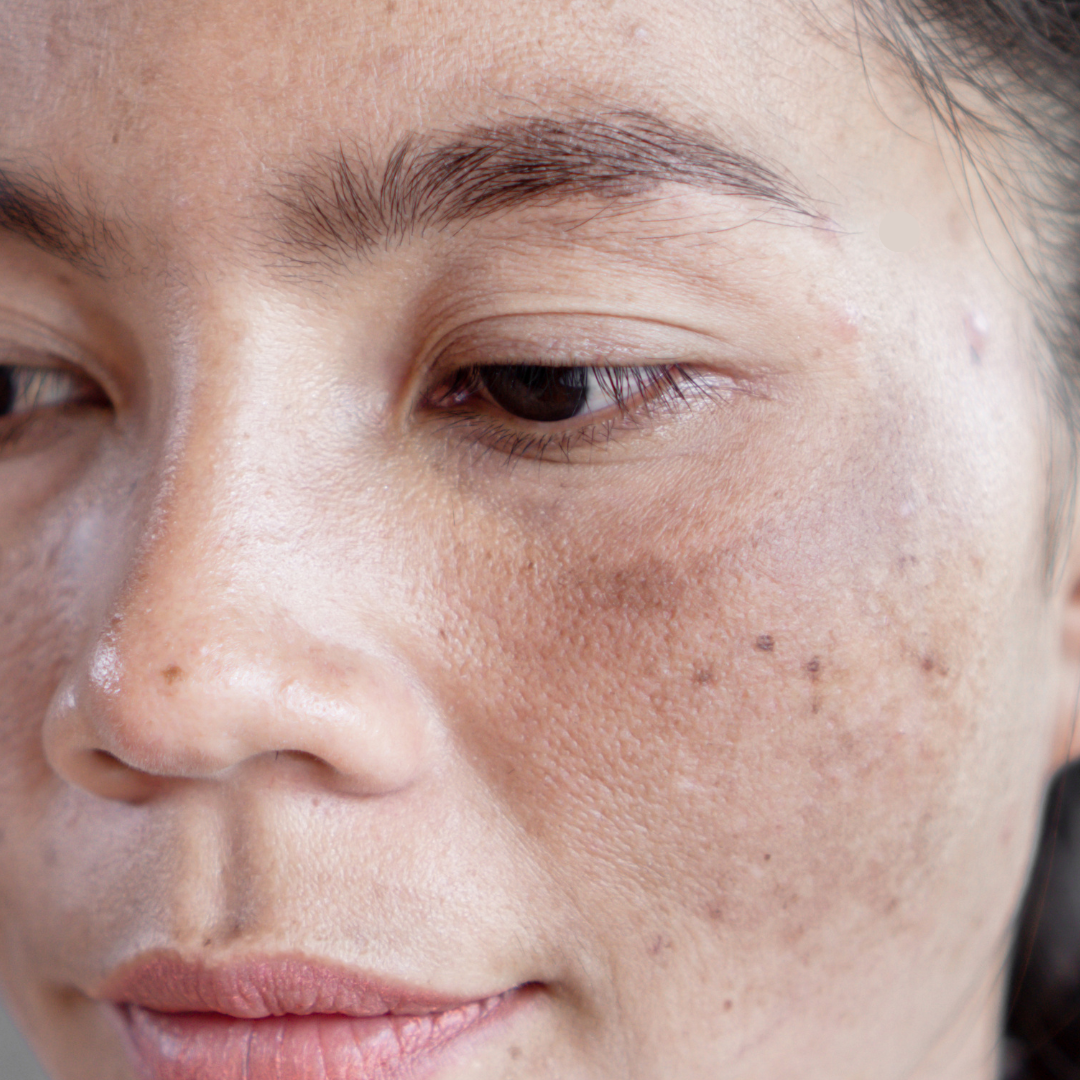
Acne isn't just a teenage skin concern. Adults can experience persistent acne, hormonal acne, inflammatory acne, and acne that leaves behind scars or discoloration.
A dermatologist can determine the type and severity of your acne and develop a treatment plan based on your skin and individual needs.
At Desjarlais Dermatology, acne treatment may include prescription topical medications, oral medications, and other appropriate dermatologic treatments.
What Is the Difference Between Eczema and Psoriasis?
Both eczema and psoriasis can cause red, irritated, itchy skin, but they are different inflammatory skin conditions.
Eczema commonly causes itchy, dry, inflamed skin and can affect both children and adults.
Psoriasis is an immune-mediated condition that often causes thicker, well-defined plaques with scaling.
Because several skin conditions can look similar, a dermatologist can help determine the correct diagnosis and treatment.
When Should I Have a Mole Checked?
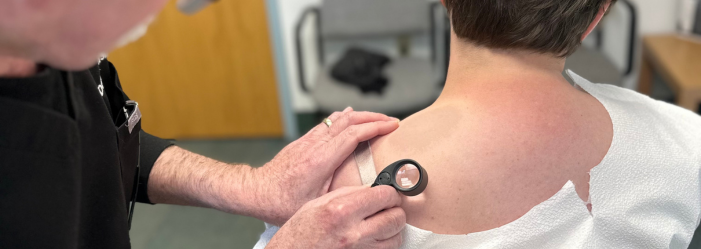
A dermatologist should evaluate a mole that is new, changing, bleeding, itching, painful, or noticeably different from your other moles.
When evaluating a suspicious spot, dermatologists often consider the ABCDE warning signs:
A — Asymmetry
One half doesn't match the other.
B — Border
The edges are irregular, uneven, or poorly defined.
C — Color
The spot contains multiple colors or changes in color.
D — Diameter
The spot is larger than about 6 mm, although skin cancers can be smaller.
E — Evolving
The spot is changing in size, shape, color, or symptoms.
Not every unusual-looking mole is skin cancer, but changes should be evaluated rather than ignored.
What Types of Skin Cancer Does Desjarlais Dermatology Treat?
Desjarlais Dermatology diagnoses and treats common skin cancers, including basal cell carcinoma and squamous cell carcinoma.
Depending on the type, location, and characteristics of the skin cancer, treatment options may include surgical and non-surgical approaches.
Desjarlais Dermatology also offers Image-Guided Superficial Radiotherapy (IG-SRT) in-house as a non-surgical treatment option for select basal cell and squamous cell skin cancers.
Can Children See a Dermatologist?
Yes. Children can develop many of the same dermatologic conditions as adults, along with skin conditions that are more common during childhood.
Desjarlais Dermatology provides pediatric dermatology care for concerns including acne, eczema, warts, psoriasis, rashes, and other childhood skin conditions.
When Should I See a Dermatologist for Hair Loss?
Hair shedding is common, but sudden, excessive, or persistent hair loss may warrant a dermatologic evaluation.
Hair loss can have many causes, including genetics, hormonal changes, autoimmune conditions, nutritional factors, medications, and scalp disorders. A dermatologist can evaluate the scalp and hair pattern to help determine the underlying cause.
Can a Dermatologist Treat Warts?
Yes. Dermatologists can diagnose and treat common warts and other types of viral warts.
Treatment depends on the type, location, size, and persistence of the wart. Some warts resolve on their own, while persistent or bothersome warts may require professional treatment.
What Should I Expect at a Dermatology Appointment?
A dermatology appointment generally begins with a discussion of your concerns and a visual examination of the affected skin. Depending on what is found, your dermatologist may recommend additional testing, such as a biopsy, or prescribe treatment.
For chronic conditions such as eczema, psoriasis, or acne, your dermatologist may also develop a longer-term management plan.
Frequently Asked Questions About Medical Dermatology
What conditions does a dermatologist treat?
Dermatologists treat conditions affecting the skin, hair, and nails, including acne, eczema, psoriasis, rosacea, warts, rashes, hair loss, skin infections, moles, and skin cancer.
How often should I see a dermatologist?
The appropriate frequency depends on your individual skin health and risk factors. Patients with a history of skin cancer or other ongoing dermatologic conditions may need regular follow-up appointments.
Should I see a dermatologist for a changing mole?
Yes. A new or changing mole should be evaluated, particularly if it changes in size, shape, color, or appearance or begins bleeding, itching, or becoming painful.
Can dermatologists treat skin cancer?
Yes. Dermatologists diagnose and treat many types of skin cancer, including basal cell carcinoma and squamous cell carcinoma. Treatment depends on the individual cancer and its location and characteristics.
What is IG-SRT for skin cancer?
Image-Guided Superficial Radiotherapy (IG-SRT) is a non-surgical radiation treatment that can be used for select basal cell and squamous cell skin cancers. Desjarlais Dermatology offers IG-SRT in-house for appropriate patients.
Does acne require a dermatologist?
Not every case of acne requires a dermatologist, but persistent, painful, severe, or scarring acne may benefit from professional evaluation and prescription treatment.
Can dermatologists treat eczema and psoriasis?
Yes. Dermatologists can diagnose eczema and psoriasis and develop personalized treatment plans to manage symptoms and reduce flare-ups.
When should I see a dermatologist for a rash?
Consider an appointment if a rash is persistent, recurring, spreading, painful, severely itchy, or doesn't improve with appropriate home treatment.
Does Desjarlais Dermatology treat children?
Yes. Desjarlais Dermatology provides pediatric dermatology services for children with conditions such as acne, eczema, warts, psoriasis, and other skin concerns.
Where can I find a dermatologist in Adrian, Michigan?
Desjarlais Dermatology provides medical dermatology care in Adrian, Michigan, serving patients throughout Lenawee County and surrounding communities.
Take Your Skin Health Seriously
You don't have to wait until a skin concern becomes severe before seeking professional advice. Whether you're dealing with a persistent rash, acne, eczema, psoriasis, a changing mole, hair loss, or another skin concern, a dermatology evaluation can help identify what's happening and determine appropriate treatment.
Desjarlais Dermatology provides comprehensive medical and pediatric dermatology care in Adrian, Michigan.
📞 Call 517-264-5603 to schedule a dermatology appointment.
Share this article with friends!