How a Dermatologist Can Help Manage the Skin Symptoms of PCOS
Polycystic ovary syndrome (PCOS) affects more than reproductive health—it can also have a significant impact on your skin and hair. Because many PCOS symptoms are driven by elevated androgen levels or insulin resistance, dermatologists can play an important role in helping manage the visible effects of the condition.
Acne That Won't Quit
Hormonal changes associated with PCOS can contribute to persistent, oily, or adult-onset acne, particularly when traditional over-the-counter products aren't enough. A dermatologist can identify the type and severity of acne and create a personalized treatment plan that may include prescription topical medications, oral medications, or other therapies. Treating acne early can also help reduce the risk of long-term scarring.
Unwanted Hair Growth
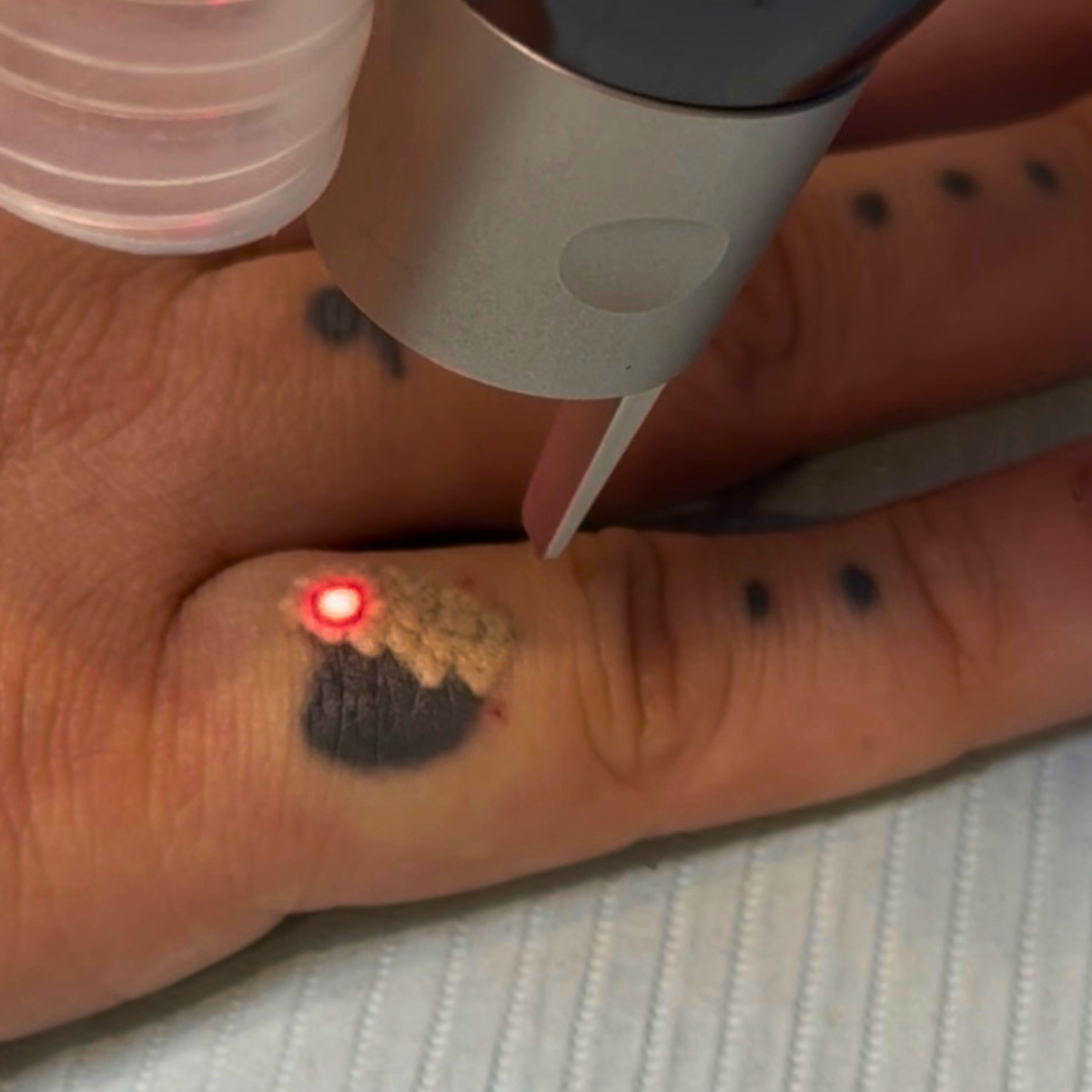
Higher androgen levels can cause hirsutism, or excess coarse hair growth on areas such as the face, chest, or abdomen. Dermatologists can recommend options to manage unwanted hair, including prescription treatments and hair-removal strategies such as laser hair removal. A combination of approaches is often most effective.
Hair Thinning
PCOS-related androgen changes can also contribute to thinning hair or female-pattern hair loss. Depending on the cause and severity, a dermatologist may recommend topical or oral treatments designed to help slow hair loss and support healthier hair growth.
Darkened, Velvety Skin
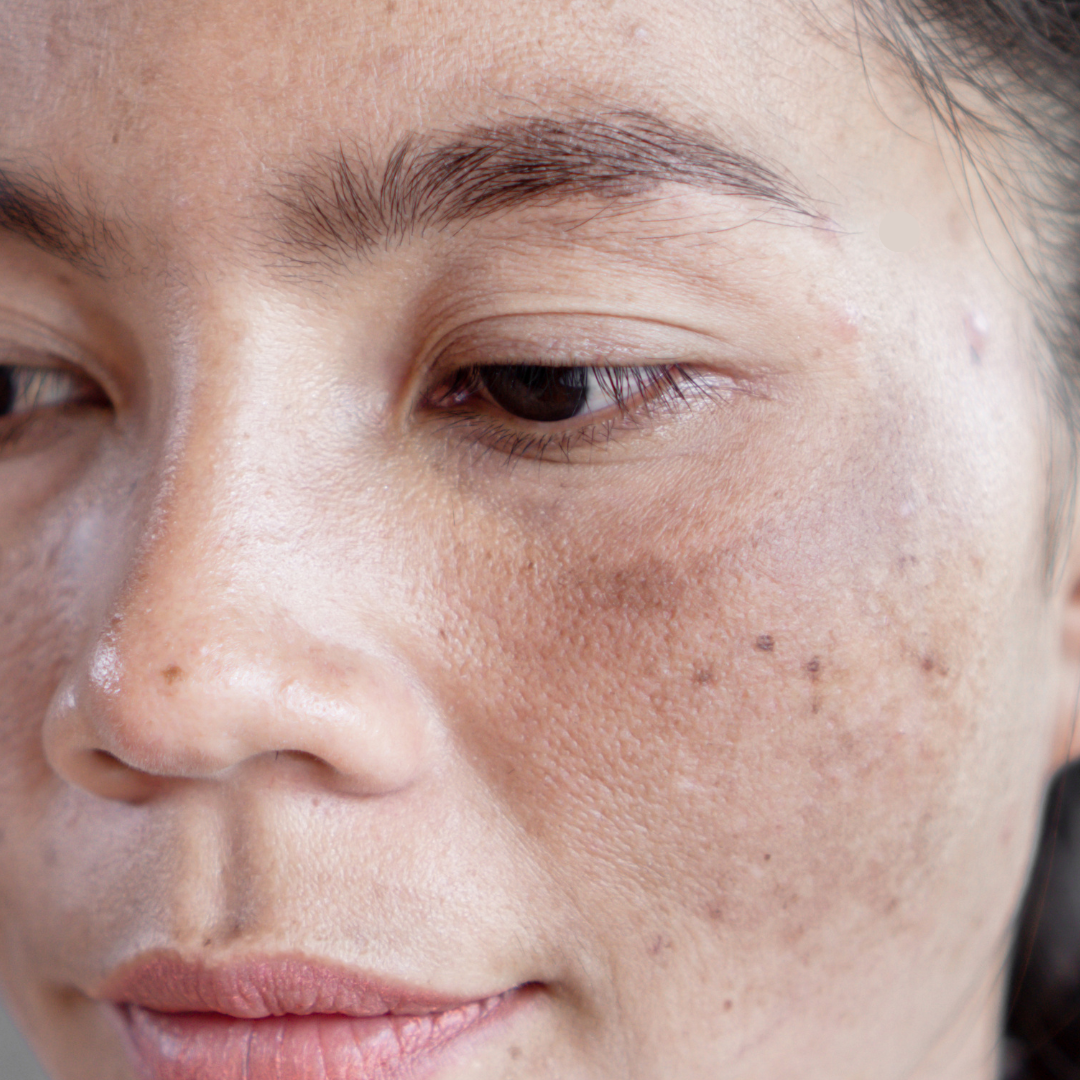
Acanthosis nigricans causes darker, thicker, velvety-looking patches, commonly around the neck, underarms, or groin. It can be associated with insulin resistance, so new or changing areas should be evaluated rather than treated simply as discoloration. Dermatologists can help identify the cause and may recommend prescription or procedural treatments to improve the skin's appearance.
Your Skin Is Part of the Bigger Picture
PCOS is a complex condition, and dermatologic treatment doesn't replace care from your primary care provider, gynecologist, or endocrinologist. Instead, your healthcare team can work together to address both the underlying condition and the skin and hair symptoms that affect your confidence and quality of life.
If you're experiencing persistent acne, unwanted hair growth, hair thinning, or darkened skin, don't assume you simply have to live with it. A dermatologist can help you understand what's happening and develop a treatment plan tailored to your skin.
Share this article with friends!