How Food Can Help Your Skin Condition

September 2, 2022

As we all know, the right foods can promote health, making what you eat imperative. For those with dermatological conditions it’s important to pay attention to our diet. Common skin diagnosis like psoriasis, rosacea or even acne, can benefit from personal research on the good and bad foods to be aware of to help alleviate symptoms.

A healthy diet is key to healthy skin but it’s not “one-size-fits-all”. It will take moderation, patience and discipline while creating the best meal plan to lead to beautiful, healthy, clear skin. To get you on the right path, here is insight based on “superfoods” known for their anti-inflammatory and soothing qualities:


ACNE: Hormones, stress and cosmetics, as well as food can be the cause of acne. These food & beverages are a rich source of antioxidants and vitamins helping to prevent acne:


  • Sweet Potatoes
  • Green Leafy Vegetables
  • Almonds
  • Dark Chocolate
  • Beetroots
  • Pumpkin Seeds
  • Cottage Cheese
  • Green Tea
  • Oat Milk
  • Matcha Tea 


Don’t forget to stay hydrated with a good dose of H2O. Your body is 60% water, so you need to drink enough water to optimize physical processes. Water is the foundation of healthy and clear skin, so drinking one ounce of water for every two pounds of body weight daily is ideal.


It’s also important to make notes of these foods that contribute to acne:


  • Foods high on the glycemic index – sugar, soda, white bread
  • Large amounts of dairy
  • Whey protein powder


PSORIASIS: Although psoriasis is genetic and not preventable, you can look to your diet to uncover triggers. This list anti-inflammatory foods can help ease symptoms and may include:


  • Fruits and vegetables
  • Healthy Fats with Omega-3 - fish, nuts, seeds, extra-virgin olive oil and avocados
  • Nutritional Supplements – turmeric
  • Vitamins – E, C, D, B-Complex


Despite the nutritional value offered by the following food groups, a helpful guide of Inflammatory foods to stay away from include:


  • Red meat and dairy
  • Gluten
  • Processed foods
  • Nightshade plants – Top 4 - eggplant, tomatoes, peppers, potatoes
  • Refined Sugar


Alcohol falls among the items to avoid as it has serious negative side effects for those of us with psoriasis, even lowering response to treatment for men.


Because there are so many dietary triggers for psoriasis, the research is ongoing and your dermatologist may recommend keeping a food journal to help track what foods create flare-ups and bring on symptoms.


ROSACEA: Common rosacea triggers include heat, stress, alcohol, and spicy foods. Foods and beverages that have a direct positive impact on rosacea, inflammation, blood vessel health, vascular overgrowth and skin health include:


  • Nuts and Seeds
  • Certain whole grains
  • Lean Protein foods
  • Dairy Alternatives
  • Condiment Options – mustard, onions, garlic and oils
  • Spices that don’t trigger flare-ups: cumin, oregano, cinnamon, fresh mint, allspice and marjoram
  • If you like to hunt for unique superfoods, consider – mung beans, bilberry and reishi mushrooms


Unfortunately many beverages are on the rosacea flare-up list, so keep it simple and drink water.

Following an anti-inflammatory or paleo diet may help reduce rosacea symptoms. Yet, like mentioned before, triggers are different for everyone so experimenting may be necessary.


What we put in our bodies matters for our overall health, but some of us that live with psoriasis, rosacea or acne have to take that more seriously. Healthy habits can be difficult to follow at first but well worth the investment in time to decrease flare-ups and daily discomfort.


While these recommendations can help alleviate symptoms, it is still important to maintain routine visits with your dermatologist to ensure a proper treatment plan.

Share this article with friends!

By Kari Brogan August 24, 2026
Polycystic ovary syndrome (PCOS) affects more than reproductive health—it can also have a significant impact on your skin and hair. Because many PCOS symptoms are driven by elevated androgen levels or insulin resistance, dermatologists can play an important role in helping manage the visible effects of the condition.
By Kari Brogan August 12, 2026
If you’re noticing sun spots, uneven pigmentation, fine lines, wrinkles, or skin laxity , you may be wondering which aesthetic treatment is right for your skin. At Desjarlais Dermatology & Aesthetic Center in Adrian, Michigan , we offer a wide range of advanced laser, light, and radiofrequency technologies designed to address pigmentation, skin texture, collagen production, and skin tightening. Because every patient’s skin is different, the best treatment depends on your specific concerns, skin type, treatment goals, and desired downtime.
By Kari Brogan August 12, 2026
Your skin is your body's largest organ, and changes in your skin can sometimes be more than a cosmetic concern. Persistent rashes, changing moles, acne, eczema, psoriasis, warts, rosacea, hair loss, and suspicious skin growths are all reasons to consider seeing a dermatologist. At Desjarlais Dermatology in Adrian, Michigan , our dermatology team provides evaluation, diagnosis, and treatment for a wide range of skin, hair, and nail conditions for adults and children.
By Kari Brogan August 3, 2026
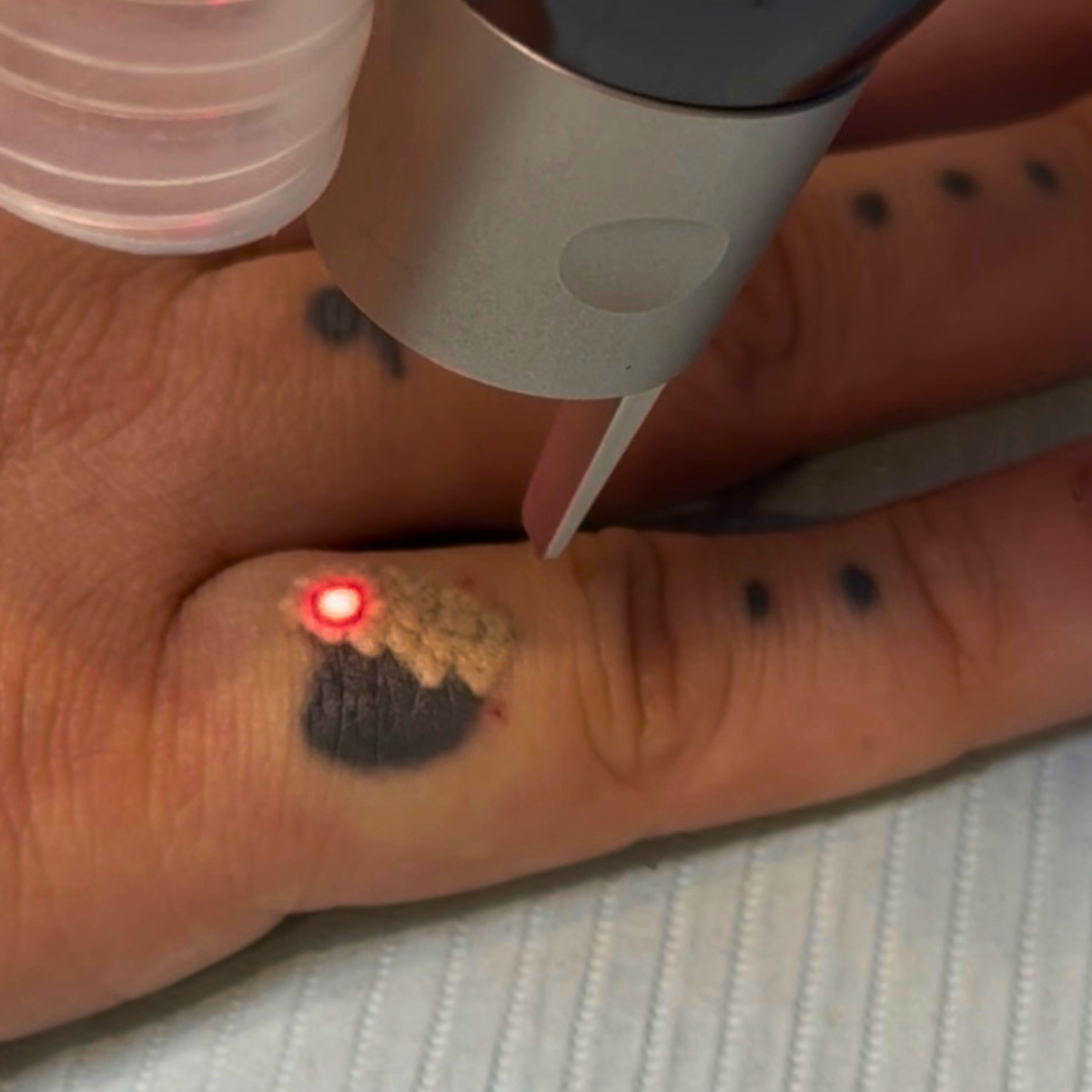
Every tattoo tells a story—but sometimes that story changes. Whether your tattoo no longer reflects who you are, reminds you of a chapter you've outgrown, or you're simply making room for new artwork, National Tattoo Removal Day is the perfect opportunity to learn more about your options. Thanks to advances in laser technology, tattoo removal is safer and more effective than ever. If you've been considering removing or fading a tattoo, here's what you should know before getting started.
By Kari Brogan July 1, 2026
If you've spent any time on social media lately, you've probably seen influencers praising beef tallow as the ultimate natural skincare ingredient. From homemade moisturizers to claims that it can replace an entire skincare routine, beef tallow has become one of the latest viral beauty trends. But is it really the miracle ingredient it's made out to be? Let's separate fact from fiction. 
By Kari Brogan June 2, 2026
There’s something about summer that makes everyone want the same thing: clear, event glowing skin – without makeup. Less coverage. Less layering. Less time getting ready. But for many people, foundation has become a daily necessity to cover redness, breakouts, pigmentation, or uneven texture. Here’s the truth: you shouldn’t have to rely on makeup to feel confident in your skin.  The goal isn’t better foundation – its’ better skin.
By Kari Brogan April 30, 2026
One of the most common things we hear this time of year is: “I thought I had to wait until fall for laser treatments.” The truth? You don’t have to put your skin goals on hold just because the sun is out. While summer does require a more strategic approach, many cosmetic laser treatments can still be performed safely—and effectively—when done correctly and with the right guidance.
By Kari Brogan April 2, 2026
If there’s one category redefining modern aesthetics, it’s energy-based devices—specifically laser and radiofrequency (RF) treatments. Once considered advanced or niche, these technologies have quickly become some of the most in-demand services in dermatology and medspa settings. Why? Because today’s patients want results that are noticeable, natural, and require little to no downtime—especially as they head into summer events, weddings, vacations, and time in the sun. The new standard isn’t surgery. It’s strategic, non-invasive skin transformation.
By Kari Brogan February 27, 2026
In 2026 , serum formulas are all the buzz — dermatologists are recommending products that blend science-backed actives , barrier support, and multifunctional results. Gone are the days of layering 10+ products; the focus now is on smart, effective serums you’ll actually see results from. Below are the top 5 serums trending this year , what makes them stand out, and why skin pros are excited about them.
By Kari Brogan February 2, 2026
Melasma is a chronic pigmentation condition that causes symmetrical patches of brown or gray-brown discoloration, most commonly on the cheeks, forehead, upper lip, and jawline. While many people associate melasma flare-ups with summer sun exposure, winter is a critical — and often overlooked — season for managing it effectively.  In fact, winter can be one of the best times to get melasma under control when approached correctly.