Managing Melasma During the Winter Months
Melasma is a chronic pigmentation condition that causes symmetrical patches of brown or gray-brown discoloration, most commonly on the cheeks, forehead, upper lip, and jawline. While many people associate melasma flare-ups with summer sun exposure, winter is a critical — and often overlooked — season for managing it effectively.
In fact, winter can be one of the best times to get melasma under control when approached correctly.

Why Melasma Still Matters in Winter
Although UVB rays are weaker in winter, UVA rays remain consistent year-round. UVA penetrates clouds and glass and is a major trigger for melasma. Add in reflective surfaces like snow and increased indoor light exposure, and pigment stimulation can still occur.
Winter is also when skin tends to be drier and more sensitive, which can worsen melasma if treatments are too aggressive or the skin barrier becomes compromised.
The Importance of Sun Protection (Yes, Even in Winter)
Daily sun protection is non-negotiable for melasma management.
- Use a broad-spectrum SPF 30 or higher every morning
- Look for tinted mineral sunscreens with iron oxides, which help protect against visible light — another melasma trigger
- Reapply if spending extended time outdoors
- Don’t forget often-missed areas like the upper lip and forehead
Consistent sunscreen use alone can prevent melasma from worsening during the winter months.
Focus on Barrier Repair First
Winter is the season to strengthen the skin barrier, not strip it.
Cold air, indoor heating, and harsh skincare can cause inflammation, which stimulates pigment-producing cells. Prioritizing hydration and barrier support helps calm the skin and makes pigment treatments safer and more effective.
Look for products with:
- Ceramides
- Glycerin
- Hyaluronic acid
- Panthenol
- Gentle, fragrance-free formulations
Healthy skin responds better to treatment — and is less likely to rebound with pigment.
Winter Is Ideal for Corrective Treatments
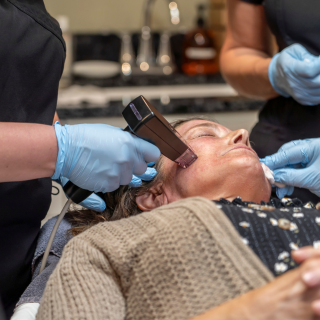
Because sun exposure is lower and people spend more time indoors, winter is often the safest time to introduce professional melasma treatments.
Depending on skin type and severity, this may include:
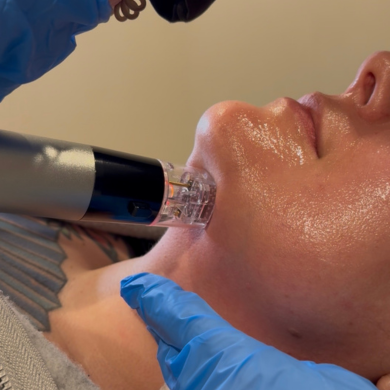
- Carefully selected chemical peels
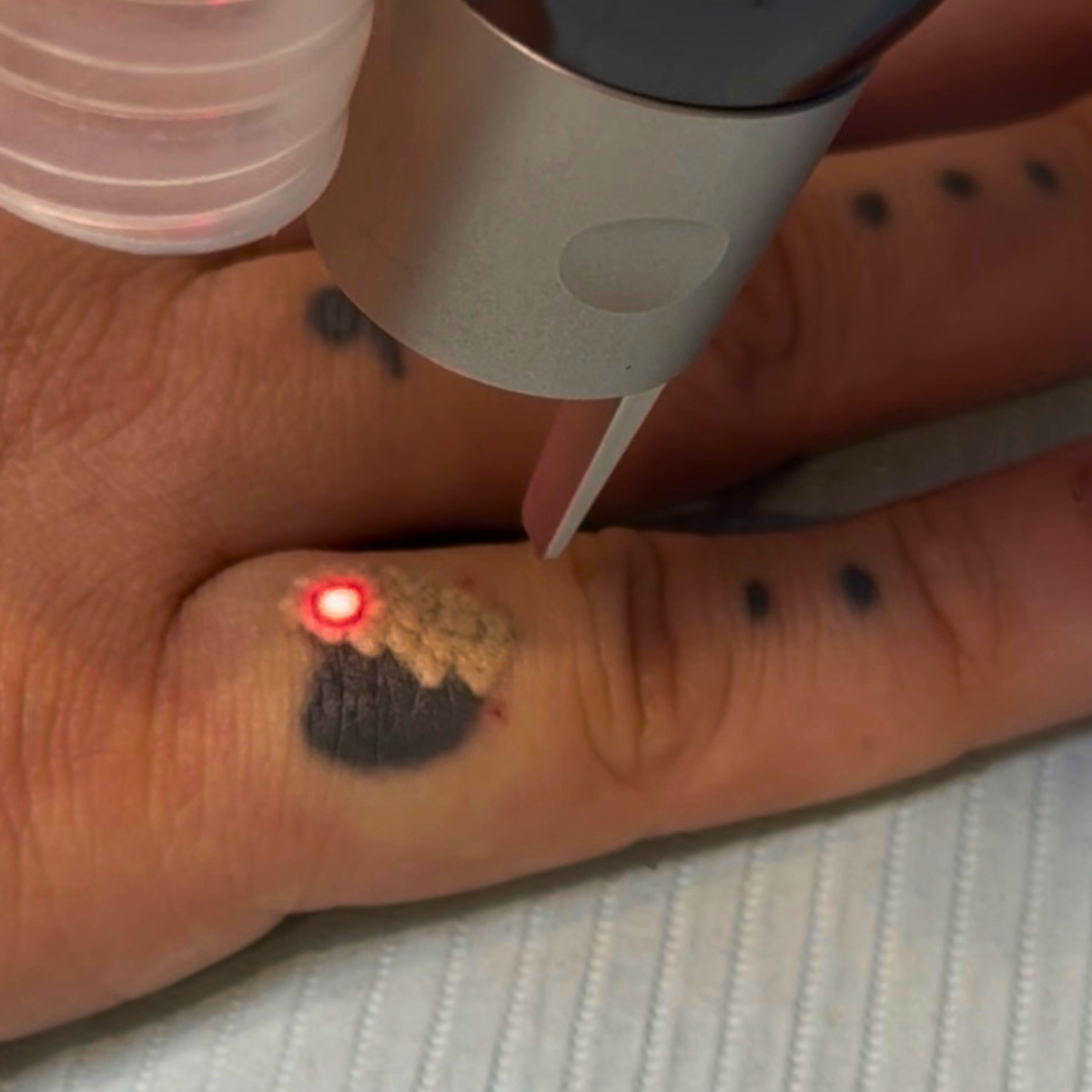
- Laser or light-based treatments designed for pigment
- Prescription-strength topical therapies
Melasma requires strategic, gradual correction. Aggressive one-time treatments can worsen pigmentation, especially in sensitive or darker skin tones. A well-timed winter plan allows for controlled improvement while minimizing risk.
Be Consistent With Topical Treatments
Winter is the perfect time to stay consistent with pigment-correcting ingredients, such as:
- Azelaic acid
- Tranexamic acid
- Niacinamide
- Retinoids (introduced carefully)
- Antioxidants
Results take time. Melasma improves with steady, long-term management, not quick fixes.
Avoid Common Winter Mistakes
Some habits can quietly worsen melasma:
- Skipping sunscreen on cloudy days
- Over-exfoliating to “brighten” skin
- Using harsh or drying products
- Starting multiple new actives at once
Inflammation is melasma’s best friend — keeping the skin calm is key.
Think Long-Term
Melasma is a condition that can be managed, not cured. Winter offers an opportunity to reset, repair, and correct — setting the stage for better control when spring and summer return.
With the right combination of sun protection, barrier support, professional guidance, and consistency, winter can be one of the most productive seasons for improving melasma and maintaining healthy, balanced skin year-round.
When it comes to melasma, patience and strategy always outperform intensity.
Share this article with friends!